Watercolor Splash Decorative Element for Web Elements and Graphics
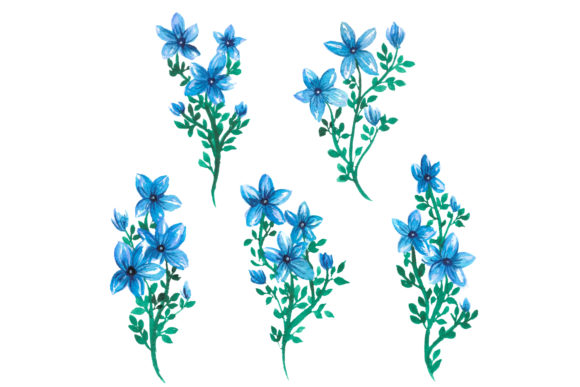
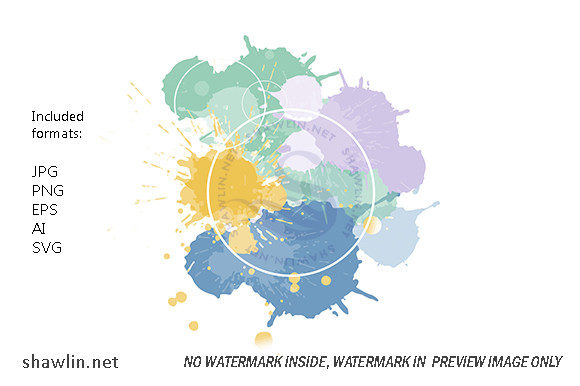
As a seasoned blog designer and digital publisher, I recently came across the Watercolor Splash Decorative Element, a graphic design asset that immediately caught my attention with its soft pastel color scheme and elegant vector illustration. This web element is part of a growing collection of graphics designed to enhance editorial content and website presentation with artistic flair.
Elegant Visuals for Lifestyle and Creative Niches
The first impression of this decorative element is one of calm sophistication. The watercolor splash feels both playful and refined, making it an ideal fit for lifestyle-focused content, creative blogs, or niche markets like wellness, fashion, and interior design. Its soft hues evoke a sense of comfort and approachability, which can help build reader trust and encourage engagement.
This design naturally supports content that needs to feel inviting rather than formal. It’s perfect for blogs or websites aiming to create a warm, artistic, or seasonal atmosphere. Whether you're publishing a digital guide on mindfulness or a printable design for a DIY project, this graphic adds visual interest without overpowering the message.
Real Publishing Use Cases for Bloggers and Content Creators
When working on a real content publishing workflow, I found that the Watercolor Splash Decorative Element fits seamlessly into several key areas:
- Blog Featured Images: As a subtle background or accent, it helps draw the eye while maintaining readability.
- Pinterest Graphics: The soft pastels and fluid lines work well for social media pins that need to stand out in a feed.
- Article Headers: It adds a touch of personality to headers without clashing with headlines or subheadings.
- Newsletter Banners: Used sparingly, it enhances the visual hierarchy and makes the newsletter feel more branded and professional.
- Downloadable Resources: Ideal for eBook covers, worksheets, or printables that require a creative but clean look.
- Social Media Previews: Helps improve click-through potential by creating a cohesive brand identity across platforms.
It's also worth noting that this graphic design asset works well as an editorial accent within content layouts. When placed strategically, it can separate sections, highlight key points, or frame important visuals such as infographics or quotes.
Supporting Content Performance and Brand Identity
One of the most significant benefits of using this decorative element is how it contributes to stronger first impressions and clearer visual hierarchy. In content marketing, especially for affiliate marketing or lead magnets, the right graphic can make all the difference in capturing attention and improving conversion rates.
For instance, when paired with a strong headline and contrasting text, the Watercolor Splash Decorative Element can elevate the perceived value of a digital product, whether it's a Canva template, a downloadable guide, or a media kit. It also helps maintain consistent branding across different types of content, from blog posts to email campaigns.
Additionally, the use of this asset can support better category recognition. If your website has multiple sections, using this decorative element consistently can help readers quickly identify content categories, improving navigation and overall user experience.
Where This Design Works Best
While versatile, the Watercolor Splash Decorative Element shines in specific scenarios:
- Hero Images: Adds a decorative touch to homepage banners or landing pages.
- Article Thumbnails: Enhances thumbnails on content archives, increasing click-through rates.
- Pinterest Pins: Creates visually appealing graphics that are more likely to be repinned.
- Blog Graphics: Perfect for sidebar widgets, post footers, or header accents.
- Editorial Accents: Great for separating sections or highlighting key information.
- Content Upgrades: Makes freebies or lead magnets feel more premium and professionally designed.
- Category Visuals: Helps organize content and reinforce brand identity across niches.
- Newsletter Headers: Adds a personal, artistic touch to email newsletters.
- Social Media Previews: Ensures consistency in visual identity across platforms.
Use with Caution in Specific Contexts
While the Watercolor Splash Decorative Element is highly versatile, there are situations where it may not be the best fit. For example, it should be used carefully in:
- Small Mobile Thumbnails: The detail might get lost on smaller screens.
- Text-Heavy Blog Images: Could overwhelm the reader if too much text is layered over it.
- Low-Contrast Backgrounds: May reduce readability if not paired with the right text colors.
- Busy Layouts: Might distract from the main content if overused.
- Corporate or Professional Niches: A more minimalistic approach may be better suited for these contexts.
- Websites with Minimal Visual Systems: Should be tested thoroughly to ensure it aligns with the existing design language.
Practical Publisher Notes for Using This Asset
If you're considering using the Watercolor Splash Decorative Element in your publishing workflow, here are some practical tips:
- Test on Desktop and Mobile Screens: Ensure it looks good across all devices.
- Check Thumbnail Appearance: Preview how it appears as a thumbnail in content archives or feeds.
- Preview Inside Real Blog Layouts: See how it interacts with other design elements.
- Test with Headline Text: Make sure it doesn't interfere with readability.
- Check Contrast and Readability: Ensure text remains legible against the background.
- Try in Black and White: Assess its impact without color.
- Place Beside Different Fonts: Test with serif, sans serif, script, handwritten, and display fonts.
- Review File Size for Web Performance: Optimize images for faster loading times.
- Confirm Commercial Licensing: Always verify that you have the right to use this asset on monetized websites, affiliate pages, or paid content products.
In conclusion, the Watercolor Splash Decorative Element is a valuable addition to any designer's toolkit. Its soft pastel aesthetic and vector format offer flexibility for various editorial and web design applications. Whether you're enhancing blog graphics, creating Pinterest pins, or designing digital guides, this asset can help elevate your content marketing efforts and strengthen your brand identity.